Conservatories are bright by design, but that doesn’t automatically mean they feel airy all year round. The colour you choose for the walls can make the same conservatory feel cool and clinical in winter, or warm and inviting in summer. It also plays a practical role: conservatory walls experience temperature swings, sunlight glare, and occasional condensation, so the wrong paint or shade can highlight imperfections and require more frequent repainting.
I’ve seen far too many conservatories finished with “safe” colours that look great on the paint swatch yet fall flat once the glazing is installed. The good news is you don’t need guesswork. With a few sensible checks—like your north or south orientation, trim colour, and whether you use blinds or curtains—you can pick a wall colour that looks coherent with the rest of your home and performs well in a glass-heavy space.
Why conservatory wall colour matters more than you think
Conservatories sit somewhere between an indoor room and an outdoor shelter. Natural light changes throughout the day, and the intensity varies by season. Because of that, wall colour behaves differently than it would in a typical living room.
Light and brightness are the headline factors. Darker colours can feel sophisticated, but they often require more lighting to avoid a dim look, especially in winter. Lighter colours usually reflect daylight and make the space feel bigger, though very white shades can sometimes look stark if your conservatory gets strong glare.
Temperature and condensation also matter. Conservatories can cool down quickly during colder months, and warm moist air can condense on cooler surfaces. Choosing the right paint type (and prepping properly) is what helps the finish stay clean-looking, rather than the shade alone.
Visual continuity affects how “finished” your conservatory feels. If your hall, kitchen, or lounge has warm tones, jumping to a cold grey conservatory wall can make the extension feel disconnected. Conversely, matching a similar undertone can blend the spaces and make the conservatory feel like a natural extension of your home.
Common mistakes when choosing conservatory wall colours
The biggest errors are usually not about taste—they’re about planning and test failures.
Relying on a paint swatch alone is the classic issue. Swatches are small, poorly lit, and usually viewed in stable indoor lighting. In a conservatory, the walls receive direct and indirect daylight from different angles. Always sample on a section big enough to see how it looks on a full wall plane.
Ignoring undertones leads to “why is it green/grey?” moments. Many greys have blue or green undertones. In strong daylight, those undertones can become more noticeable, especially near aluminium or uPVC framing. If your existing trim is cool, you may find a warmer greige or soft cream sits better.
Choosing a flat finish in a high-touch area can be a maintenance trap. You might love the look of matte paint, but conservatories can collect dust from open doors, and condensation can make marks linger longer. A wipeable finish is usually more practical for wall areas near doors and seating.
Forgetting the roof and glazing colour can throw off the balance. If your roof is dark (or you have dark blinds), a cool wall colour can feel heavy. If your roof is light and you have pale furniture, darker walls may feel stylish but can also reduce perceived brightness.
Start with your conservatory orientation and light levels
Orientation is one of the quickest ways to narrow down wall colours without overthinking it.
North-facing conservatories tend to receive softer, cooler light. Walls can look greyed or muted in winter. Warmer creams, warm whites, and gentle beiges often perform better because they add a little “sun” to the palette. If you want colour, try muted tones like terracotta-adjacent warm clay or a soft sage with warm undertones.
South-facing conservatories get stronger sunlight and more dramatic shadowing. Here, you can usually get away with slightly deeper shades, but you still want to avoid overly cool colours that reflect glare. A balanced greige or warm light greys can look elegant and still feel bright.
East- and west-facing conservatories experience changing light: mornings can be bright and crisp, while afternoons can be intense. A shade with a neutral base often helps it look consistent across the day. If you’re unsure, sample a “whole day” test: look at it in morning light and then again in late afternoon.
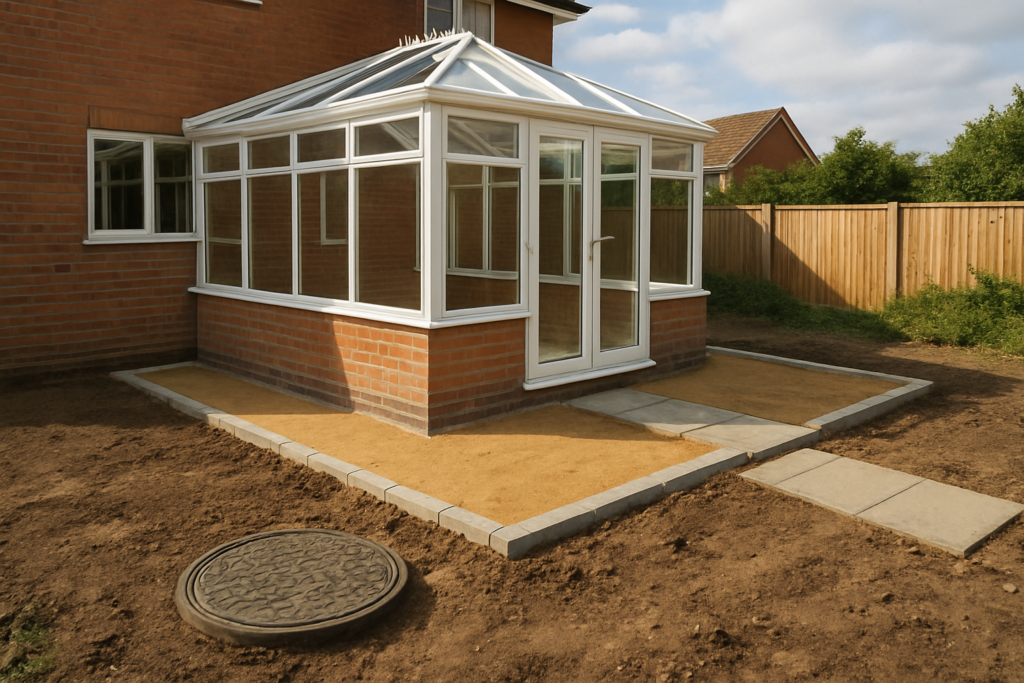
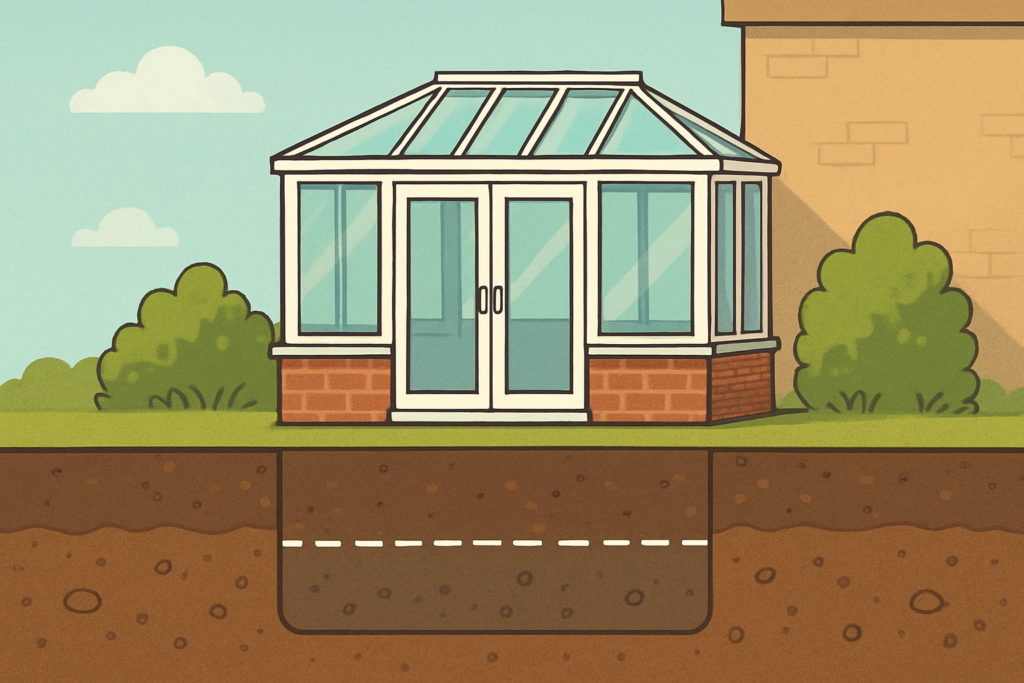
When you’re planning any building or installation-related decisions, site conditions and foundations can also influence indoor feel. It’s worth understanding base considerations early, especially if you’re noticing damp risk or drafts. If you’re at that stage, you may find guidance like whether your conservatory needs foundations helpful for long-term comfort.
Best conservatory wall colours by style and effect
Use this section as a starting palette. The right choice depends on your furniture, flooring, and trim, but these options consistently work in glass-heavy rooms.
Soft white and warm white
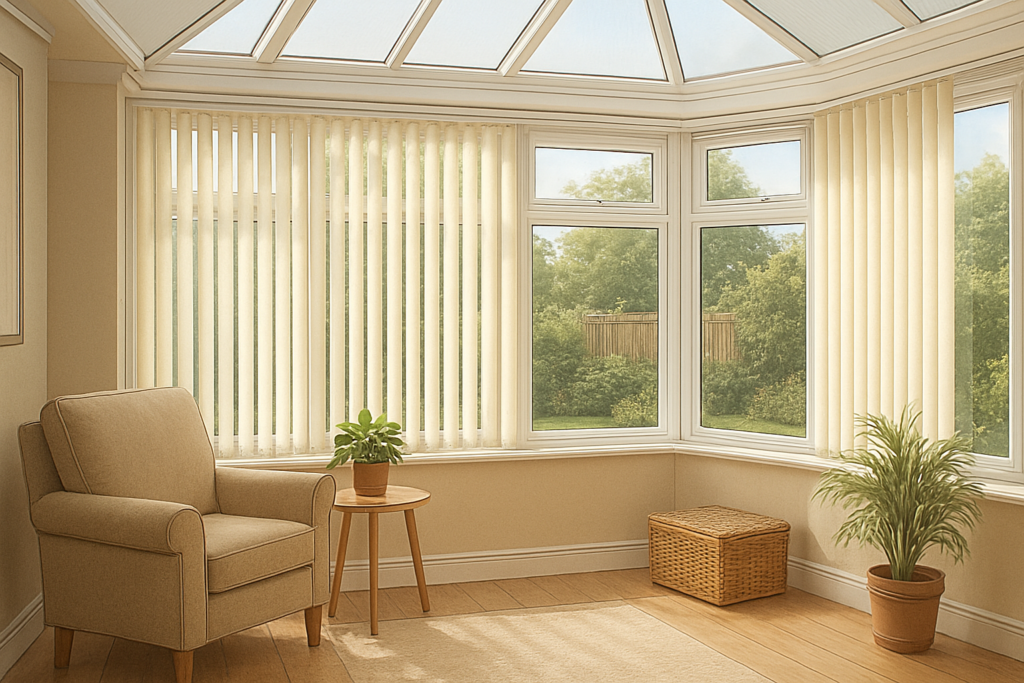
Soft whites are popular because they reflect daylight without feeling clinical. The key is to choose a warm or creamy white with subtle undertones so it doesn’t “blue” under strong daylight. They also help timber-effect floors and warm fabrics look cohesive.
Greige (grey-beige)
Greige can be a bridge colour when you want modern style without the coldness of a pure grey. In conservatories, it often looks more natural because it sits between the bright outdoors and interior furnishings. For best results, look for greiges described as warm, taupe-like, or slightly creamy.
Light greys (with warm undertones)
If your trim is white, a light grey can look crisp. Avoid icy greys that read blue, especially if you have cool-toned frames. A light warm grey tends to hold up in both bright and dim conditions.
Muted greens and sage tones
Sage and muted greens work brilliantly in conservatories because the colour “talks to” the garden outside. Choose muted greens rather than vivid shades to avoid looking harsh when the sun hits. These tones also look great with natural wood and rattan furniture.
Soft blues and coastal tones
A gentle blue can make a conservatory feel calm and airy, particularly if your home decor already leans neutral. Keep it soft—think pale cornflower-adjacent rather than bold navy. In very sunny spaces, pale blue can look even lighter, so it can be worth sampling twice.
Warm beiges and sand colours
If your conservatory feels chilly in winter, a warm beige can help. It also pairs well with stone-effect tiles and cream upholstery. Beiges can go wrong when they’re too yellow, so choose a sand tone that feels natural, not buttery.
Earthy terracotta and clay accents
For a feature wall or lower section, earthy tones add character without making the whole space dark. Use them thoughtfully: pair with neutral upper walls and consider how the colour will look against the conservatory’s framing. Terracotta works well with warm white ceilings and natural wood.
Choose paint finishes that cope with conservatory conditions
Colour is only half the equation. The finish affects how easily you can wipe marks, how condensation behaves over time, and whether small imperfections show through.
Matt vs eggshell vs satin
Matt finishes can hide minor wall unevenness, but they’re less forgiving when you need to clean frequently. Eggshell is often a practical compromise for conservatory walls because it provides a low-sheen look that can be wiped clean. Satin can look more modern and smooth, but it may highlight wall flaws more than eggshell.
Moisture-aware paint matters
Even if you don’t experience heavy condensation, conservatories can see periodic damp on cooler surfaces. A damp-resistant or condensation-mitigating formulation helps protect the paint film. If you’ve had previous issues (like tide marks or peeling near window corners), addressing ventilation and insulation is as important as the paint choice.
Primers and patching
If your walls have been painted before, uneven sheen or old stains can bleed through new colours, especially light shades. A proper stain-blocking primer can prevent discolouration. For any repaired areas, ensure they are fully dry and smooth before painting, otherwise the final colour can look patchy in bright daylight.
If your conservatory is newly built or recently adjusted, base details can affect comfort and humidity. Condensation can worsen when floors and walls are colder than expected. For context around structural comfort, you might also look at how foundation depth affects ground conditions as part of understanding damp risk and long-term stability.
How to sample paint properly in a conservatory
Good sampling is what separates confident choices from regret.
Test on a wall, not on a card
Paint a patch directly on the wall you intend to coat. Include at least two test samples side by side so you can compare undertones in the same lighting. Consider testing on an area near glazing and another slightly further away if your conservatory has strong light variation.
Observe across multiple times
A conservative schedule is to check in morning light, mid-day, and late afternoon. You’re looking for shifts in undertone—especially if you’re choosing greys or blues. If the colour looks different when the sun hits, you’ll want to know before committing.
Allow full cure time
Fresh paint can look lighter or darker for a short period. Follow the product instructions for drying time and recoat time. If you’re painting during colder weather, give extra attention to dryness before judging the final shade.
Don’t forget trim and ceiling interaction
If you’re keeping white or changing it later, the wall colour should still make sense against that ceiling. It’s also worth considering skirting boards and window trims; a contrast can look sharp, while a close match can feel seamless.
If you’re working with an existing conservatory and planning changes to framing or glazing elements, keep an eye on how colour interacts with those materials. In particular, if you’ve built or are planning a conservatory over a drainage arrangement, the practicalities can affect what can be altered later. For example, it can be useful to understand whether conservatories can go over drains if your work is at the planning and build stage.
Colour pairings that usually work well
If you want a safe yet stylish result, build your palette around a few reliable pairings.
Warm white walls + soft wood + black or dark metal
This creates contrast without a harsh look. Warm whites sit nicely with timber-effect flooring and rattan, while dark frames or metal light fittings add a modern edge.
Greige walls + white trims + natural stone floors
This combination keeps the room feeling light and cohesive. It also makes patterned cushions and plants stand out in a calm way.
Sage walls + cream ceilings + earthy accessories
It’s a classic “garden room” palette. Add terracotta pots, linen throws, and neutral rugs for a soft, layered look.
Pale blue walls + warm neutral furniture
Pale blue works best when the rest of the décor has warm elements like oak tones, sand-coloured fabrics, or cream cabinetry.
Feature wall colour + neutral surrounding walls
If you’re drawn to stronger colours, use them where they’ll feel intentional: behind a dining table, along a seating focal point, or on a wall that receives less direct glare. Keep the remaining walls in a lighter neutral so the room doesn’t feel visually “closed”.
Practical painting guidance for a lasting finish
Conservatories are unforgiving when prep is rushed. A good finish looks better longer, especially when the room is flooded with daylight.
Prep matters more than you expect
Wash down walls to remove dust and grease. Lightly sand any glossy areas to help adhesion. Fill holes and cracks with suitable filler, then sand smooth. Bright conservatory light makes surface imperfections more obvious, so spend time on finishing rather than on adding extra coats later.
Protect areas near glazing
Where window edges meet wall paint, you can see early wear if surfaces flex or if there’s occasional condensation. Mask carefully and use painter’s tape for crisp lines. If there’s evidence of damp along trims, resolve the cause before repainting.
Use proper ventilation while painting
Paint tends to dry differently in conservatories due to airflow and temperature changes. Ensure good ventilation without creating uneven drying drafts. If temperatures drop suddenly, allow extra drying time and avoid painting late in the day when the room will cool.
Consider your cleaning routine
If you have children, pets, or you use the conservatory as a play zone, choose a finish designed to be wiped. That prevents minor scuffs from building up into a “stale” look that forces repainting sooner than necessary.
How to decide if you want light, medium, or dark walls
You can feel stuck between “bright enough” and “too bright”. Here’s a simple way to think about it.
Light walls usually suit conservatories that feel dim at certain times or that have darker flooring. They also work when you want a flexible backdrop for changing cushions, plants, and seasonal décor.
Medium tones (soft greys, warm beiges) balance style and brightness. They can reduce glare compared with white while still keeping the room feeling open. Medium tones are often the best compromise for mixed lighting throughout the day.
Dark walls create drama and intimacy, but they need the right setting. They work best when you have good natural light, strong artificial lighting, and light-coloured furniture that prevents the room from feeling heavy. If your conservatory is north-facing and you’re not planning additional lighting, dark walls can make it feel gloomy.
If you’re planning other conservatory improvements, it can help to understand build logistics and timelines so decorating isn’t rushed. Delays can affect when you’ll repaint, particularly if you’re trying to coordinate trades. For a realistic view of timing, see how long a conservatory takes.
What We Get Asked… (FAQ)
What colour makes a conservatory look bigger?
Warm white, soft cream, and light greige typically make the space feel larger because they reflect daylight and reduce the sense of visual bulk.
Will white paint look dirty in a conservatory?
It can, but good prep and a wipeable finish help a lot. If condensation is common, choose a formulation designed to cope with moisture and keep ventilation steady.
Are greys a safe choice for conservatory walls?
Many greys work well, but undertones matter. Aim for warm greiges or light greys that don’t lean icy blue, especially if you want the room to feel cosy.
Should I match my wall colour to my kitchen or lounge?
If your conservatory opens into a kitchen or lounge, matching undertones often creates a seamless transition. You don’t have to choose the exact shade, but keeping the same warmth level prevents a jarring shift.
What’s the best paint finish for conservatory walls?
Eggshell is often the most practical option because it’s wipeable yet still attractive. For very smooth walls, satin can look crisp, while matt is best only if your walls are already very even.
Our Final Thoughts
The right colour for conservatory walls is about more than trends. It’s how light will behave in your specific orientation, how condensation and day-to-day life will affect the walls, and whether your chosen undertones work with your framing, ceiling, and flooring.
If you want the easiest route to a confident result, start with sampling on the actual wall surface, check it in morning and late afternoon light, and choose a finish you’ll be comfortable cleaning. Then commit to one coherent palette across walls, trims, and any feature areas so the conservatory feels intentional rather than temporary.
Ready to move from idea to decision? Pick your top two colour candidates, book a small test pot, and observe them over a couple of days in your conservatory conditions. If you’re planning wider changes alongside painting, it can also help to review installation and base considerations so your final look stays fresh for longer—especially when comfort and moisture control matter.