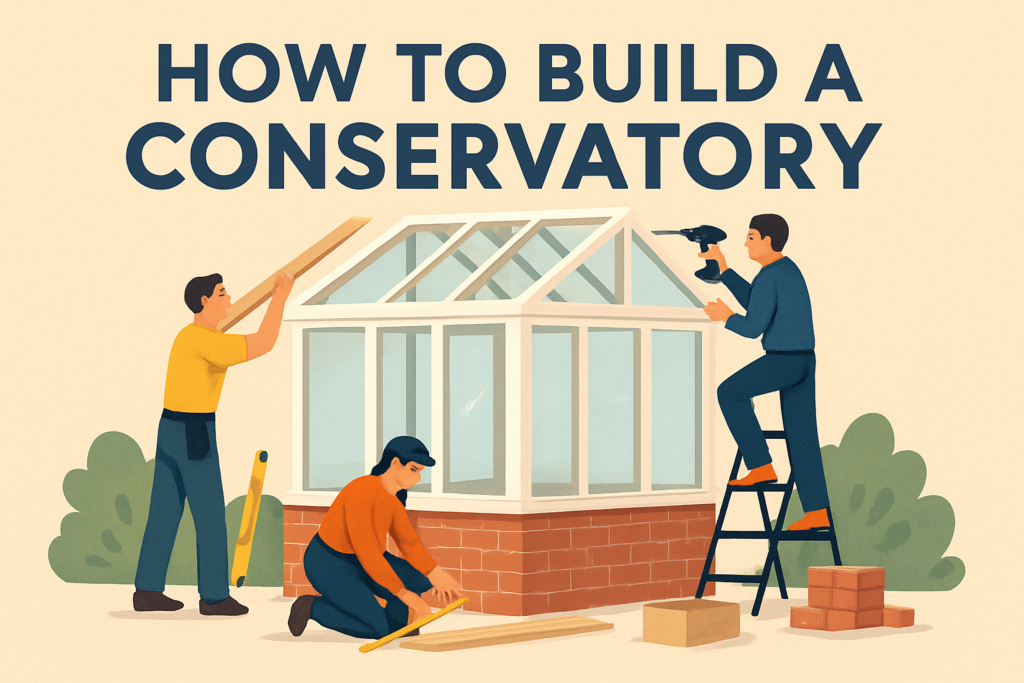
Building a conservatory is an excellent way to not only enhance the aesthetic appeal of your home but also increase its overall value. This versatile space can serve as a garden room, a tranquil reading nook, or a stunning dining area, catering to your needs while allowing you to enjoy the beauty of nature year-round. The process of constructing a conservatory can seem daunting, but with the right information and guidance, it can become a fulfilling project that transforms your living space.
Understanding the Basics of Conservatories
A conservatory is a structure that is almost entirely made of glass and is typically attached to the main building. These rooms are designed to provide a space that merges indoor comfort with outdoor views. Understanding the various types and purposes of conservatories can help you choose the right style for your home.
Types of Conservatories
There are several styles of conservatories, each offering unique benefits:
- Edwardian Conservatory: This style features a square or rectangular shape, allowing for efficient use of space.
- Victorian Conservatory: Known for its ornate and intricate designs, this conservatory style adds a touch of elegance.
- Lean-To Conservatory: A minimalist option that slopes from the house roof, making it perfect for smaller homes.
- P-shaped and T-shaped Conservatories: These offer additional space and can incorporate both a traditional and a contemporary feel depending on your preferences.
Planning Your Conservatory Project
Before starting the building process, thorough planning is crucial. This phase determines your project’s success and ensures your new conservatory suits both your needs and your property seamlessly.
Defining Purpose
Consider what you want to achieve with your conservatory:
- A space for entertaining guests?
- A personal retreat for reading and relaxing?
- A hobby area for gardening?
Your answers will inform design and layouts, so take time to define these goals clearly. For instance, if your conservatory’s primary function is for entertaining, consider an open layout that incorporates a dining table and adequate seating.
Budgeting Wisely
Establish a budget that encompasses all aspects of the project:
- Construction Materials
- Labour Costs
- Planning Permission Fees
- Interior Furnishings and Decorations
Consider seeking quotes from various conservatory specialists to gain insight into reasonable pricing. Never underestimate additional expenses; elements like landscaping around your conservatory or advanced electrical work can inflate your budget. Creating a contingency fund of about 10% can also help you manage unforeseen costs.
Choosing the Right Location
The positioning of your conservatory is vital. Factors to consider include:
- Sunlight Exposure
- View Accessibility
- Proximity to the House for Easy Access
Also, check local building regulations that may influence where you can build. Researching your neighborhood’s orientation can help you capitalize on panoramic views and natural light. Depending on the orientation of your home, a south-facing conservatory may allow for maximum sunlight, while a north-facing one may need additional heating solutions.
Navigating Legal and Regulatory Requirements
Building a conservatory often involves navigating a variety of legal requirements. Ensuring compliance will smooth the construction process.
Planning Permission
In many cases, conservatories fall under the category of permitted development. However, local regulations can vary significantly:
- If your conservatory is over a certain size, planning permission may be required.
- It’s wise to check the restrictions pertaining to your local area.
Consult your local council’s website or speak to a planning officer to ensure compliance. Ignoring these requirements can lead to complications and costly reworks down the line.
Building Regulations
Even if no planning permission is needed, your conservatory must still comply with building regulations:
- Structural integrity and safety standards
- Ventilation requirements
- Energy efficiency guidelines
Consult a qualified builder or architect experienced in conservatory construction to ensure all aspects of the build meet these standards. They can provide insights into developing a space that is not only functional but also comfortable year-round.
Materials: What Works Best
The materials you choose for your conservatory can significantly affect its overall durability, maintenance, and comfort.
Frame Materials
The most common framing materials include:
- uPVC: Cost-effective, low maintenance, and a good insulation choice.
- Aluminium: Known for strength and a modern aesthetic, but it may require insulation to enhance energy efficiency.
- Wood: Offers a warm, natural feel and great insulation, but requires more maintenance to prevent rot.
Additionally, consider new materials like composite frames that combine the durability of aluminum with the aesthetic appeal of wood.
Glazing Options
Choosing the right glass is essential for making the conservatory usable throughout the year:
- Double Glazing: Provides good insulation.
- Triple Glazing: Offers superior heat retention, important for colder climates.
- Self-Cleaning Glass: A practical choice that reduces maintenance time.
Consider also solar control glass, which can help to manage heat gain during hot months, ensuring your conservatory remains comfortable year-round.
Building Your Conservatory
Once planning is complete, materials are chosen, and permissions secured, the construction phase can begin.
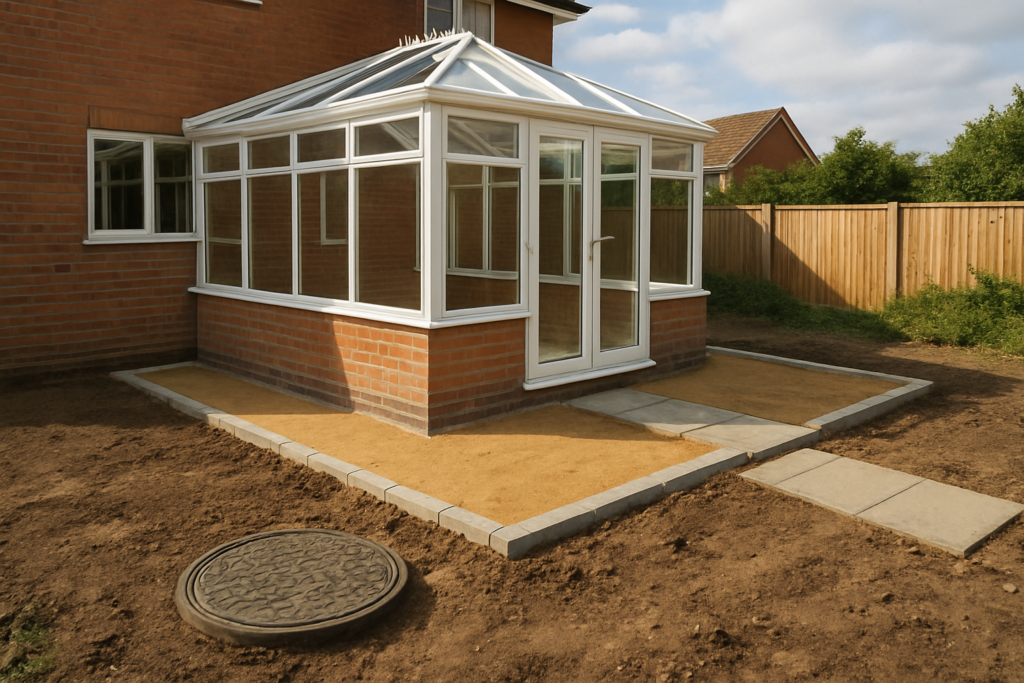
Laying the Foundation
Building a solid base will ensure your conservatory remains structurally sound. Depending on local soil conditions and conservation regulations, options include:
- Concrete bases
- Screwed foundations for minimal ground disruption
Ensure proper waterproofing and insulation during this phase to prevent future issues. Work with your builder to assess soil conditions to determine the best foundation type.
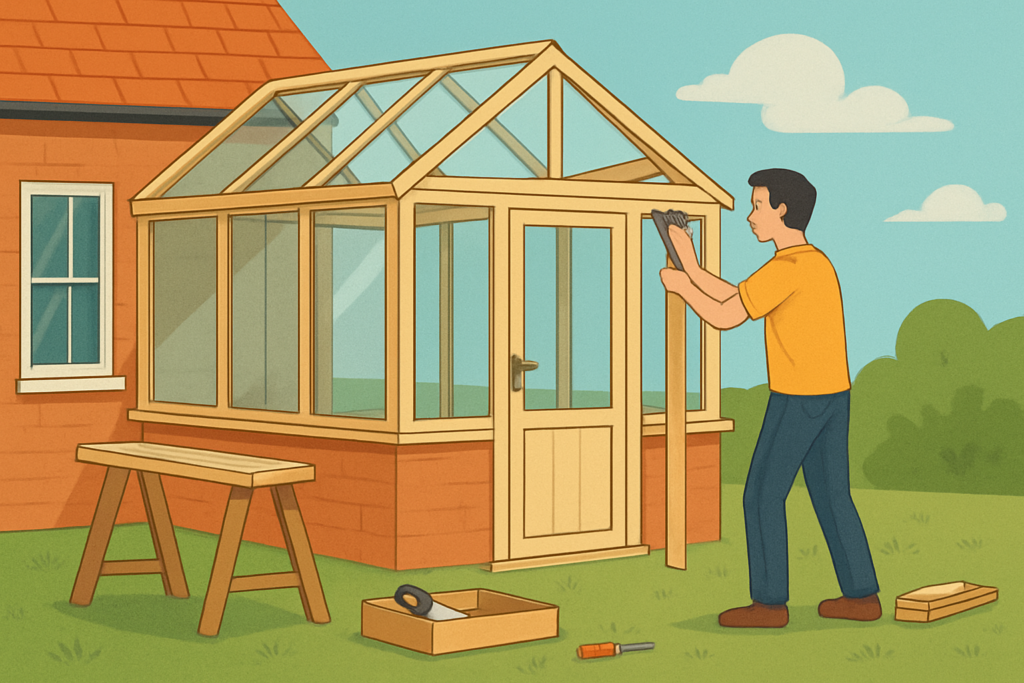
Constructing the Framework
Following the foundation, the framework will be installed according to your design specifications. Ensure that:
- Structural integrity is checked continually
- All materials fit together seamlessly
Consult your builder frequently during this phase to address any issues promptly. Proper alignment here will prevent problems later on.
Incorporating Utilities and Fittings
Your conservatory may need heating, lighting, and electrical outlets. Planning these aspects early will facilitate smoother installation:
- Choose energy-efficient heating options like underfloor heating.
- Lighting should enhance natural light during the day and provide comfort at night.
Each utility should be integrated in a way that doesn’t disrupt the aesthetic. Consider installing dimmable lights for versatile ambiance.
Designing the Interior
The interior design of your conservatory is a crucial aspect of its functionality and aesthetic appeal. Consider what ambience you wish to create.
Furniture Selection
Select furniture that complements the purpose of the space:
- Comfortable seating for a relaxation area
- Functional tables for a dining space
Avoid overcrowding to maintain the open feel that conservatories provide. Modular furniture can offer flexibility, allowing you to rearrange as needed.
Decorative Elements
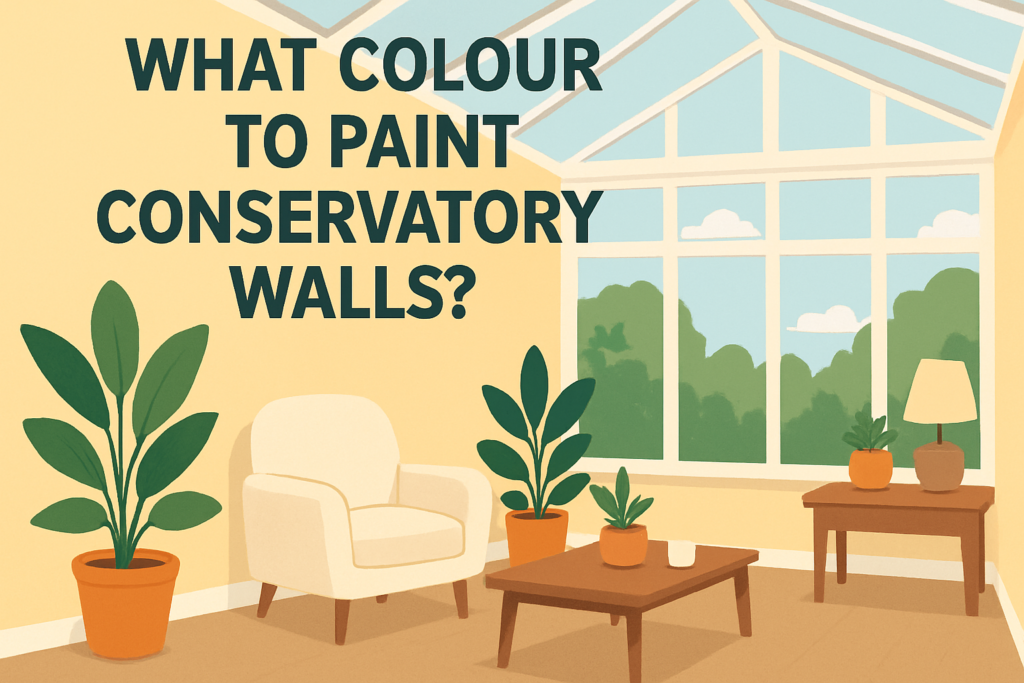
Incorporate plants, artwork, and textiles that resonate with your chosen style. Regardless of your design preferences:
- Natural elements like wooden materials or plants can enhance the overall feel.
- Soft furnishings add comfort and warmth.
Consider seasonal decorations to keep the space fresh and inviting throughout the year.
Maintaining Your Conservatory
Regular maintenance is essential for preserving the beauty and functionality of your conservatory.
Cleaning Glass and Frames
Establish a cleaning routine to prevent dirt and grime build-up on both the glass and framework:
- Use non-abrasive cleaners to avoid damaging the surfaces.
- External cleaning should align with weather patterns; ideally, prioritize spring and autumn.
Consider hiring professional cleaning services for high ceilings to ensure comprehensive cleaning safely.
Checking Seals and Structural Integrity
Regularly inspect seals and joints to prevent leaks and drafts:
- Apply silicone sealant when necessary.
- Consult professionals if major issues are detected.
Seasonal checks can preempt major issues, saving you from costly repairs. A proactive approach will maintain a comfortable environment year-round.
What We Get Asked…
How much does it cost to build a conservatory?
The cost varies widely based on size, materials, and style, but generally ranges from a few thousand to tens of thousands of pounds. For more tailored estimates in your area, explore options such as Conservatory Installation Manchester or Conservatory Installation London.
Do I need planning permission?
Many conservatories can be built under permitted development rights. However, local rules vary, so it’s crucial to verify with your local council. Knowing local government resources can help simplify this process.
How long does it take to build a conservatory?
Typically, construction can take anywhere from a few weeks to a few months, depending on the complexity and size of the project. Setting a realistic timeline from the outset can streamline your planning process.
What maintenance is required?
Routine cleaning, checking for leaks or cracked seals, and regularly assessing structural integrity will help maintain your conservatory in excellent condition.
Do I need a professional to build my conservatory?
While DIY options exist, hiring a professional can often save time and result in a higher quality finish. Experienced builders understand local codes and have the tools needed for a successful installation.
Our Final Thoughts
Building a conservatory is a significant investment, both financially and in terms of the effort involved. However, the added space and the connection it can create between indoors and outdoors make it worthwhile. By understanding your needs, planning extensively, and choosing quality materials, you can create a conservatory that enriches your home and your life. Armed with this knowledge, it’s time to consider how a conservatory can redefine your living space. Start your journey to a beautiful conservatory today!