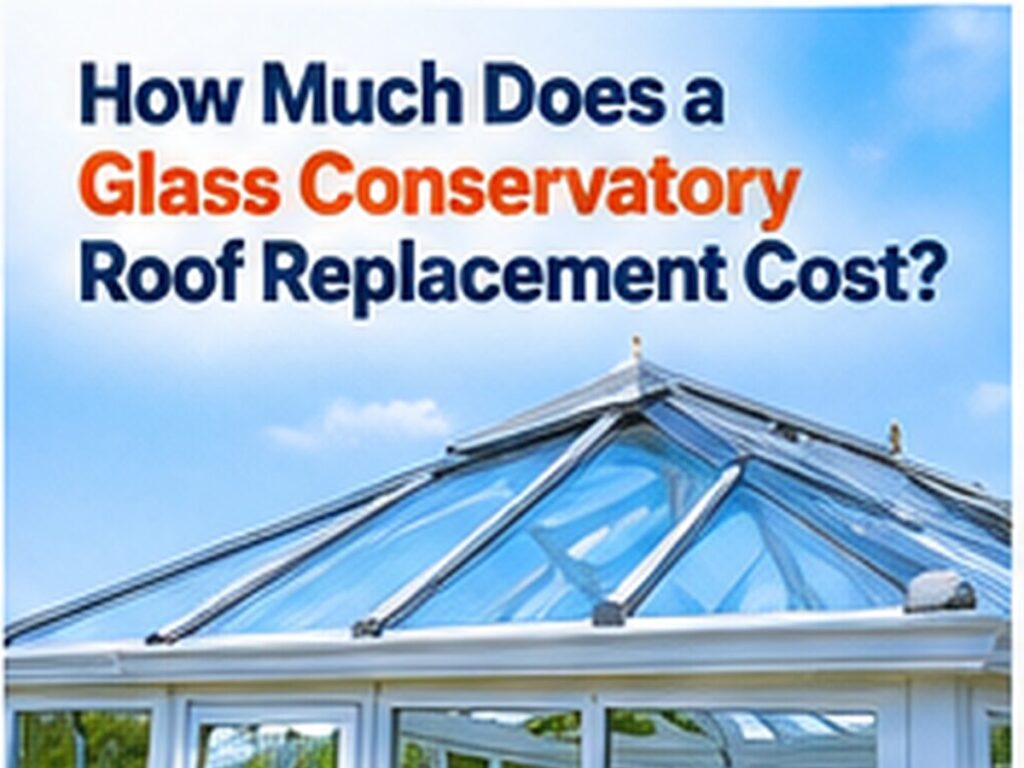
An old conservatory can become uncomfortable, draughty and expensive to maintain, particularly when the roof leaks, the frames have deteriorated or the room is unbearably hot in summer and cold in winter. Replacing it can transform the space, but the final cost depends heavily on whether you need a new roof, a complete rebuild or a larger extension with upgraded foundations and insulation.
As a broad UK guide, replacing an old conservatory may cost around £8,000 to £30,000, while a high-spec replacement or substantial conservatory extension can exceed £40,000. A roof-only replacement is usually much less expensive, often starting at approximately £4,000, although the condition of the existing structure must be assessed before this becomes a sensible option.
The most reliable way to budget is to separate the project into its main components: demolition, foundations, frames, glazing, roof, insulation, internal finishes, waste removal and professional fees. A low initial quote can become considerably more expensive if it excludes structural repairs, electrical work, plastering or VAT.
What Does Replacing an Old Conservatory Involve?
Replacement can mean several different things. Some homeowners retain the existing base and frames while fitting a new solid, tiled or glazed roof, whereas others remove the entire structure and construct a new conservatory from the foundations upwards.
A typical full replacement may include dismantling the old conservatory, checking the foundations, repairing or rebuilding the base, fitting new frames and glazing, installing the roof, improving insulation, reconnecting services and finishing the internal walls and flooring.
If the existing conservatory has sound foundations and a structurally healthy frame, a roof replacement may solve the main problem. However, an old base that has moved, cracked or settled unevenly can restrict what is possible and may make a complete rebuild more cost-effective in the long term.
For background on the construction stages, including foundations, glazing and ventilation, our guide to how to construct a conservatory provides useful context before you request quotations.
Typical Conservatory Replacement Costs
The figures below are broad estimates rather than fixed prices. Location, access, specification and the condition of the existing structure can all make a noticeable difference.
- New conservatory roof: approximately £4,000 to £12,000, depending on size, material and insulation.
- Replacement frames and glazing: often £6,000 to £16,000 for a standard-sized structure.
- Complete conservatory replacement: commonly £8,000 to £30,000.
- Large or highly insulated replacement: approximately £25,000 to £45,000 or more.
- Conversion into a substantial extension: frequently £30,000 to £60,000-plus, particularly where foundations, walls and services need major work.
These ranges may include installation but not always every finishing item. Ask whether the quotation covers VAT, building control fees, electrical alterations, plastering, flooring, decorating and the removal of the old structure.
Aluminium frames, specialist glazing, bespoke shapes and a solid insulated roof generally increase the price. You can compare the characteristics of one popular frame option using our guide to aluminium conservatory costs.
Which Parts Have the Biggest Effect on Price?
Size and shape
A larger conservatory requires more materials, labour and foundation work, but shape matters too. A simple rectangular design is usually more economical than a Victorian, P-shaped or bespoke layout with multiple angles and roof sections.
Unusual dimensions can also lead to made-to-measure components. This is not necessarily a problem, but it reduces the opportunity to use standard products and may increase manufacturing and installation time.
The roof system
The roof has a major influence on comfort and cost. Replacement glass roofs maximise daylight but can still allow significant solar gain unless the glazing is carefully specified, while solid roofs provide better insulation and a more room-like appearance.
Tiled and hybrid roofs vary considerably in construction. Some use lightweight panels fitted over the existing structure, while others involve more extensive strengthening and insulation. Do not assume that every existing conservatory can safely support a heavier roof without assessment.
Frames and glazing
uPVC is often the most economical choice, while aluminium can offer slim sightlines, strength and a contemporary finish. Timber may suit period properties but normally requires more maintenance and can cost more when high-quality hardwood and bespoke joinery are involved.
Double glazing is standard for many projects, but glass specification still matters. Low-emissivity coatings, solar-control glass, acoustic performance and safety glazing can all affect the quote, particularly on large roof panels or doors.
Foundations and structural condition
The existing base may appear acceptable but still contain movement, inadequate drainage or insufficient insulation. Cracks, sloping floors, gaps between the conservatory and house, sticking doors and recurring leaks should be treated as warning signs rather than cosmetic defects.
If the structure is close to or attached to the house, a contractor may recommend a survey or structural engineer’s input. This adds an upfront cost, but it can prevent an expensive specification being based on an unsuitable foundation.
Roof Replacement or Complete Rebuild?
A roof-only replacement is attractive because it can improve insulation and appearance without the cost of removing the frames and base. It may be appropriate when the structure is relatively modern, level, watertight at the walls and capable of supporting the proposed roof.
A complete rebuild is more appropriate when the frames are failing, the base has moved, the conservatory is poorly connected to the house or the room needs a fundamental change in layout. Replacing a roof on a deteriorating frame can simply postpone the larger expense.
Consider the age of the doors, windows, seals and drainage at the same time. If several components are already approaching the end of their useful life, combining the work may offer better value than paying for separate projects within a few years.
Before choosing a roof material, it is also worth understanding cleaning and maintenance requirements. Our practical advice on cleaning a conservatory roof explains why access, roof design and surface finish should be considered during specification.
Can an Old Conservatory Be Converted Into an Extension?
Some homeowners decide that replacing the conservatory is not enough and choose to create a more conventional insulated extension. This may involve replacing glazed elevations with insulated walls, upgrading the roof and improving the junction between the new room and the existing house.
The result can feel more like a permanent part of the home, with better year-round temperature control and greater flexibility for furniture. The trade-off is a higher budget, a longer programme and potentially more complex building control requirements.
A conversion may also affect daylight. Replacing too much glass with solid walling can make the room darker, so rooflights, roof lanterns or carefully positioned windows may be needed. A specialist conservatory extension design can help balance insulation, light and usable floor area.
Planning Permission and Building Regulations
Many like-for-like conservatory replacements do not require a full planning application, but this depends on the design, dimensions, location and property type. Permitted development rights can be restricted for listed buildings, conservation areas, flats and properties subject to previous planning conditions.
Building Regulations may apply where the work substantially changes the structure, creates a stronger connection to the house or turns the conservatory into a fully integrated extension. A replacement roof may also need approval if it changes the thermal performance or structural loading.
Ask your installer who is responsible for checking these requirements and obtaining any necessary approvals. Do not rely on an informal statement that “it should be fine”, particularly if you plan to sell the property later and need evidence that the work was completed properly.
What Should a Replacement Quote Include?
Obtain at least two or three detailed quotations, preferably after each contractor has inspected the conservatory in person. Comparing only the headline price can be misleading when one quote includes internal finishes and another covers only the external shell.
A useful quotation should identify:
- The proposed frame, roof, glass and insulation specifications.
- Whether demolition, skips and disposal of waste are included.
- Any assumptions about the existing foundations and likely remedial work.
- Electrical, heating, ventilation, plastering, flooring and decorating allowances.
- Scaffolding, access equipment, building control and professional fees.
- VAT, payment stages, estimated timescale and warranty arrangements.
Ask how unforeseen problems will be priced. A transparent contractor should explain the process for dealing with hidden damage rather than leaving you exposed to vague variations once the old structure has been removed.
Common Mistakes That Increase the Final Cost
One frequent mistake is choosing the cheapest quotation without checking what has been left out. A price that excludes foundations, internal plastering or waste removal may look competitive until those costs appear later.
Another is selecting a roof based solely on appearance. A dark tiled roof may look attractive but could reduce daylight, while a fully glazed roof may create overheating unless ventilation and solar control are considered.
It is also easy to underestimate heating and electrical requirements. A larger, better-insulated room may need a different radiator layout, additional sockets, upgraded lighting or a revised connection to the existing heating system.
Finally, avoid assuming that every conservatory installer is equipped for structural alterations. If the project involves foundations, removal of a load-bearing wall or conversion into an extension, confirm that the team has relevant experience and can provide appropriate documentation.
How to Keep Replacement Costs Under Control
Retaining a simple footprint is one of the most effective ways to control expenditure. Changing the position or enlarging the conservatory can trigger additional excavation, drainage, structural work and design fees.
Choose improvements that affect everyday comfort rather than paying for features you will rarely use. Good insulation, quality seals, effective ventilation and suitable glazing are usually more valuable than elaborate decorative details.
Schedule the work carefully if you are also renovating other parts of the house. Coordinating flooring, plastering and electrical work can reduce duplicated visits, although the trades still need clear responsibility for sequencing and finishing.
Keep a contingency of around 10 to 15 per cent for an older structure. Hidden rot, poor drainage, damaged brickwork or inadequate foundations may not be visible until demolition begins.
What Are the Benefits of Replacing an Old Conservatory?
A well-designed replacement can make the room usable throughout more of the year, reduce draughts and improve the visual connection between the house and garden. Modern glazing and insulation may also reduce the need for excessive heating or cooling, although actual savings depend on household use and energy prices.
New doors, improved seals and a properly detailed roof can address recurring leaks and condensation. The project may also increase the appeal of the property, but it should not be treated as a guaranteed investment that will recover every pound spent.
There are limitations. Even a high-performance glazed room can heat up during exceptional summer weather, and replacing a conservatory will not correct wider problems such as poor ventilation in the adjoining house. Good design needs to account for orientation, shading and how the room will be occupied.
What We Get Asked…
Is it cheaper to replace a conservatory or build a new extension?
Replacing a conservatory is usually cheaper when the existing footprint and foundations can be retained. A new extension generally costs more because it involves additional structural work, insulated wall construction and more complex building control requirements.
How long does conservatory replacement take?
A roof replacement may take several days, while a complete rebuild can take several weeks depending on foundations, weather, manufacturing lead times and internal finishing. Request a written programme and ask how the contractor will protect the opening between the conservatory and house during the work.
Can I keep my existing conservatory base?
Possibly, provided it is stable, adequately sized and suitable for the proposed structure. A competent installer should inspect levels, cracks, drainage, damp protection and insulation before confirming that the base can be reused.
Does replacing the roof make a conservatory warmer?
It can improve comfort, particularly when the new roof includes effective insulation and the existing glazing and frames are in good condition. However, a roof alone will not solve draughts, failed window seals or cold bridging elsewhere in the structure.
Should I replace the windows and doors at the same time?
If they are old, poorly sealed or difficult to operate, replacing them alongside the roof or structure is often sensible. Coordinating the work can reduce future disruption and ensure that the components perform properly as one system.
Our Final Thoughts
The cost to replace an old conservatory is commonly between £8,000 and £30,000, but the right budget depends on the roof, frames, foundations, glazing and level of internal improvement required. A roof-only project may be suitable for a sound structure, while a complete rebuild or extension conversion is more appropriate when the existing conservatory has widespread defects.
Start by defining how you want to use the room, then arrange an in-person assessment and request detailed, like-for-like quotations. For tailored cost planning, compare the available options, discuss your property with an experienced installer and allow a sensible contingency for hidden work before committing to the project.