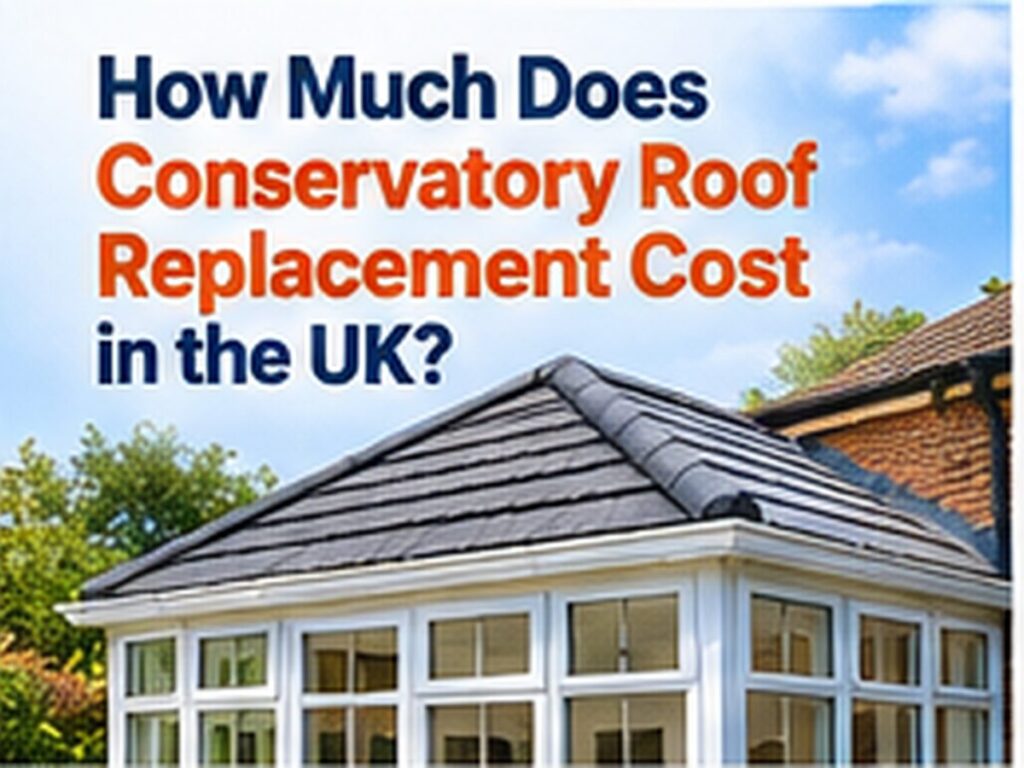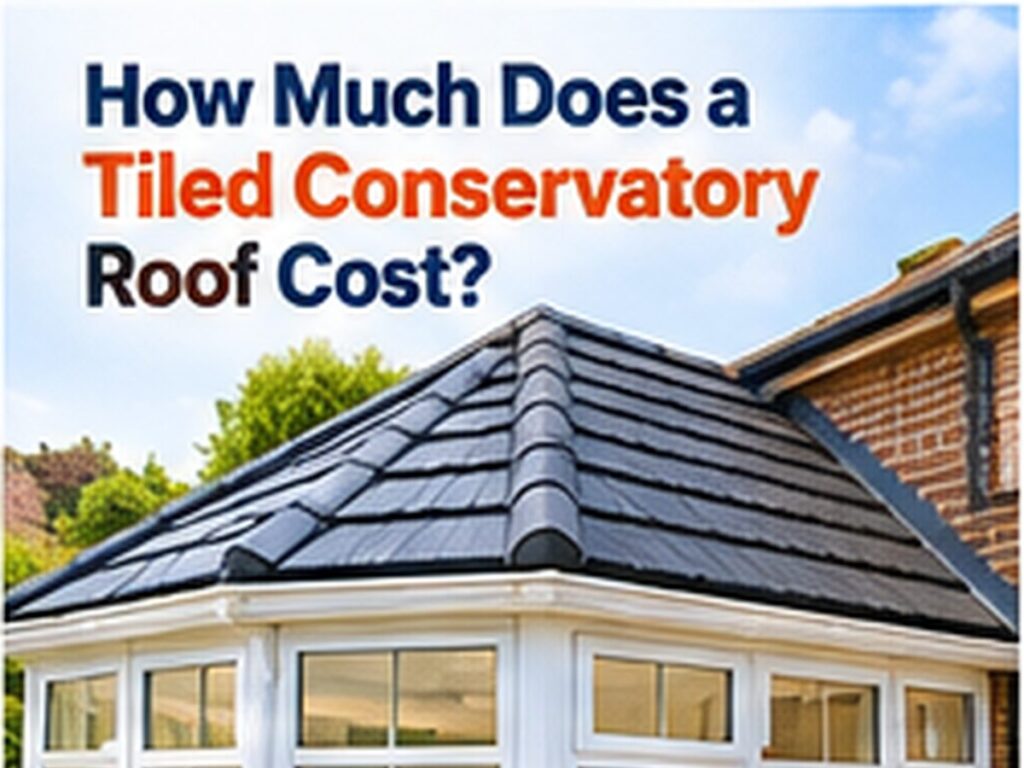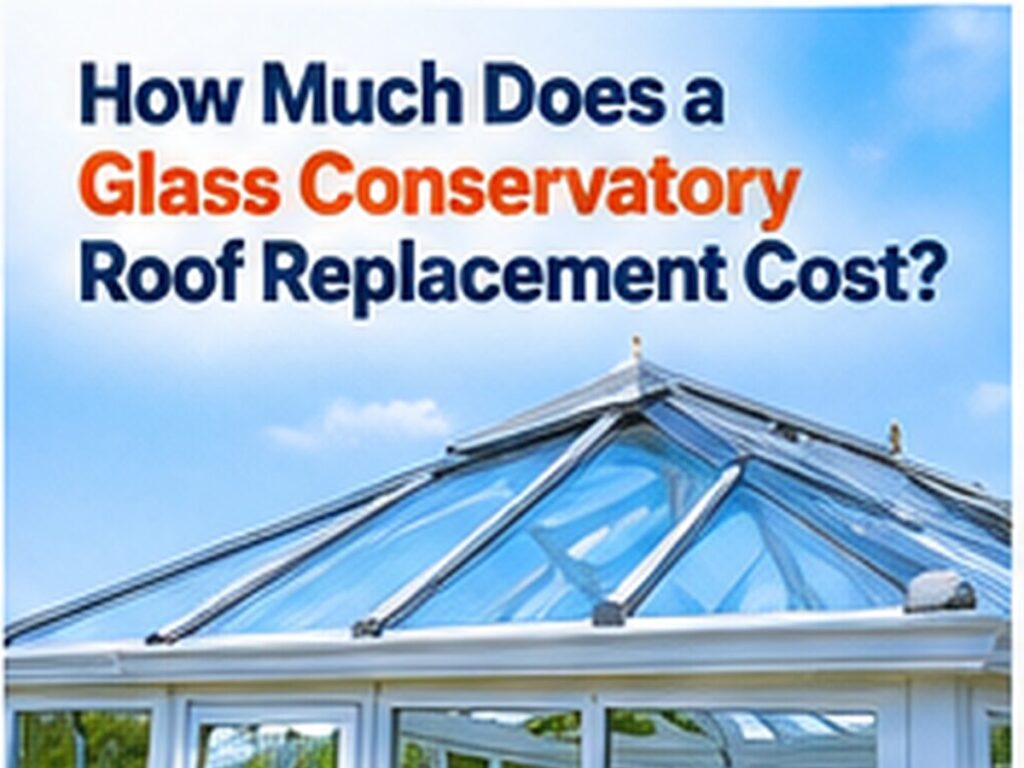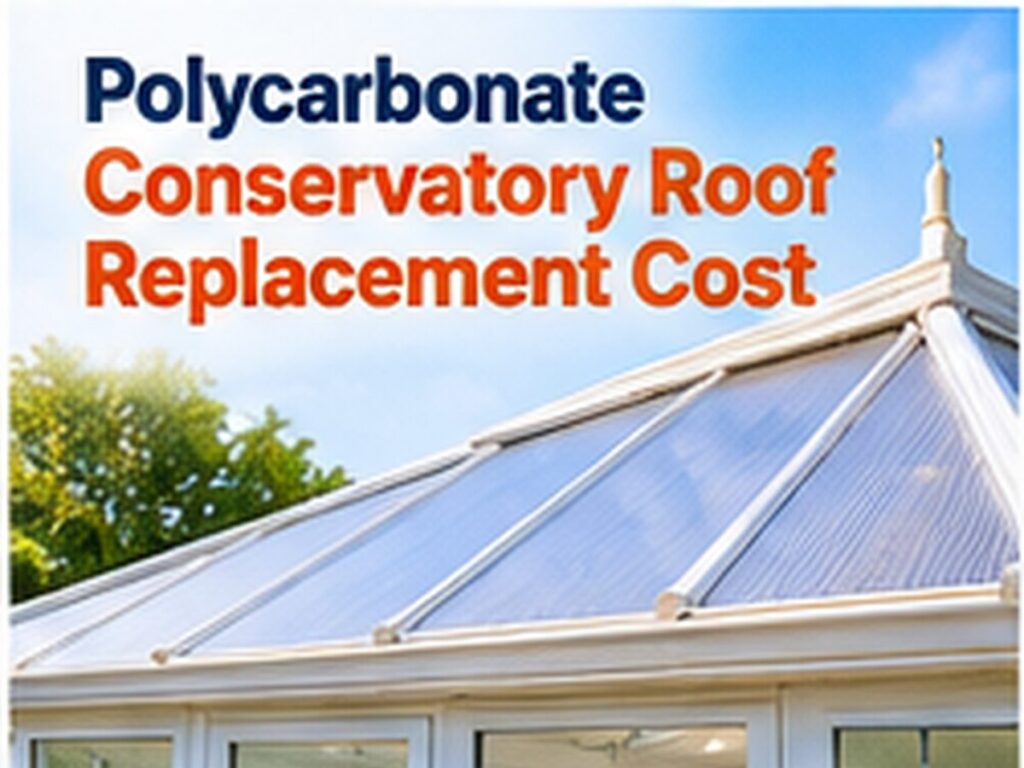
A warm conservatory roof typically costs between £4,000 and £12,000 in the UK, including materials and professional installation. Smaller replacement roofs may cost less, while large, complex or heavily upgraded roofs can exceed £15,000.
The final price depends on the conservatory’s size, the existing roof structure, your choice of tiles or panels, the level of insulation, and whether electrical, plastering or structural work is needed. A warm roof can make a conservatory more comfortable throughout the year, but it should not be treated as a simple cosmetic upgrade.
Understanding the cost breakdown helps you compare quotations fairly and avoid choosing a system that looks attractive but does not provide suitable insulation, ventilation or structural performance.
Typical warm conservatory roof costs
For a straightforward replacement on a small or medium-sized conservatory, expect to pay approximately £4,000 to £8,000. A larger conservatory, unusual roof shape or higher-specification finish may bring the total closer to £8,000 to £12,000 or more.
These figures are broad UK guide prices rather than fixed quotations. Labour rates vary by region, and the condition of the existing conservatory can only be assessed properly during a site survey.
- Small lean-to roof: around £3,500 to £6,000.
- Medium Victorian, Edwardian or gable roof: around £5,000 to £9,000.
- Large or complex conservatory: around £8,000 to £15,000 or more.
- Additional plastering, electrics or structural repairs: potentially £500 to several thousand pounds extra.
VAT may be included or added separately, so check the quotation carefully. Some installers also price roof windows, roof lanterns, internal pelmets and decorative finishes as optional extras rather than including them in the headline figure.
What is a warm conservatory roof?
A warm roof is a highly insulated roof system designed to replace or upgrade a conservatory’s existing glass or polycarbonate roof. It usually includes insulation above or between structural roof elements, a vapour control layer, weatherproof external coverings and a finished internal ceiling.
Unlike a basic roof panel replacement, the aim is to improve the thermal performance of the whole room. The finished space should feel less exposed to outdoor temperatures, with reduced heat loss in winter and less overheating during sunny weather.
Many systems use lightweight tiles, composite panels or a hybrid arrangement combining solid insulated sections with glazed panels. You can compare the main options in our guide to warm roof conservatory systems before requesting quotations.
A warm roof does not automatically turn every conservatory into a fully compliant habitable room. The walls, windows, doors, floor, foundations and heating arrangements also affect performance, and building regulations may apply depending on the work being carried out.
Key factors that affect the price
The roof area is one of the most obvious cost influences, but it is not the only one. A compact roof with difficult access can sometimes cost more per square metre than a larger, uncomplicated roof.
Roof size and shape
More materials and labour are required for larger roofs, but shape is equally important. Victorian roofs with multiple facets, gable ends, hips or unusual angles require more measuring, cutting and finishing than a simple lean-to.
Bay sections, valleys and bespoke connections can increase waste and installation time. Ask whether the quotation is based on the actual measured roof area or a rough estimate from external dimensions.
Existing conservatory condition
The installer should inspect the frames, wall plates, roof bars, drainage and connections before confirming a replacement design. Rotten timber, movement, leaking gutters or damaged frames may need attention before the new roof can be installed.
If the existing structure cannot safely support the proposed roof, reinforcing work or a different lightweight system may be required. A low quotation that ignores these issues can become considerably more expensive once work has started.
Insulation specification
Insulation thickness and material affect both the price and the roof’s performance. Higher-performing systems may cost more initially but can provide better temperature control and reduce the need for supplementary heating or cooling.
Do not judge insulation by thickness alone. The installer should explain the complete build-up, including thermal bridging, ventilation, vapour control and the expected U-value where relevant.
External covering
Lightweight synthetic tiles, composite panels and slate-effect finishes are common choices. Natural slate can be heavier and may require structural consideration, while premium composite finishes often cost more than standard options.
The covering should be suitable for the roof pitch and installed with appropriate flashing, membranes and drainage details. Appearance matters, but weather resistance and compatibility with the existing structure matter more.
Internal finish
A plasterboard ceiling with skimmed plaster provides a more conventional room finish, but it takes longer than a simple internal panel system. Downlights, ceiling fans, speakers, cornices and decorative pelmets can all add to the labour and materials bill.
It is sensible to decide on lighting and electrical points before the ceiling is closed. Retrofitting cables later can mean additional disruption and expense.
What should be included in a quotation?
A reliable quotation should describe the proposed roof system rather than simply stating “warm roof replacement”. It should identify the insulation type, external covering, internal finish, ventilation strategy, flashing details and any glazed sections.
Check whether the following items are included:
- Removal and disposal of the existing roof.
- Scaffolding, access equipment and site protection.
- Structural checks and any necessary strengthening.
- Insulation, membranes and weatherproof layers.
- Roof tiles, panels, glazing and roofline trims.
- Internal plasterboard, plastering and painting.
- Guttering, flashing and connection details.
- Electrical alterations, lighting and ventilation.
- Building control arrangements and certificates where required.
Ask whether the price includes making good around the conservatory. Removing an old roof can disturb plaster, trims and internal finishes, and these repairs should be clearly allocated rather than left ambiguous.
For further context, our article explaining how conservatory roof conversions work covers the wider process and the decisions homeowners commonly face.
Warm roof versus other conservatory roof options
A warm roof is usually more expensive than replacing damaged polycarbonate sheets, but it offers a more substantial improvement in insulation and appearance. Simple panel replacement may be suitable where the roof is fundamentally sound and the main issue is a crack, leak or isolated damage.
A fully glazed roof provides excellent daylight and can create an attractive garden outlook, but it may still experience winter heat loss and summer overheating unless the glass and ventilation are carefully specified. A solid warm roof provides better shading but can reduce natural light.
A hybrid roof combines insulated solid areas with glazed panels or roof windows. This can be a useful compromise for homeowners who want improved comfort without making the room feel dark.
Replacing an entire roof is not always the best answer. If only a few panels are damaged, investigate conservatory roof maintenance and panel replacement options before committing to a complete conversion.
Does a warm roof need planning permission?
Many conservatory roof replacements do not require a planning application when they remain within permitted development rules, but the position depends on the property, the proposed changes and local restrictions. Listed buildings, conservation areas and homes subject to previous planning conditions may require additional checks.
Building regulations are a separate matter. Replacing a conservatory roof can affect insulation, structural loading, ventilation and fire safety, so building control involvement may be necessary even when planning permission is not.
A professional installer should explain what approvals are needed and who will arrange them. Do not assume that a sales statement such as “no permission required” covers every building regulations responsibility.
How much can installation and preparation add?
Installation commonly represents a significant part of the total price because the old roof must be removed safely, the structure prepared, and the new system sealed accurately. Access, waste disposal and the number of installers required can all change the labour cost.
Extra work may include replacing damaged rafters, adjusting frames, improving drainage, moving radiators, installing electrical circuits or repairing the conservatory base. Older structures are more likely to need remedial work, particularly where historic leaks have affected timber or internal plaster.
Heating is another consideration. A warm roof can improve comfort, but it does not create heat. If the room is used regularly, you may need to budget for an upgraded radiator, underfloor heating or another suitable heating source.
Our guide to constructing a conservatory properly explains why foundations, ventilation, glazing and insulation should be considered together rather than as isolated upgrades.
Common mistakes when budgeting
The most common mistake is comparing quotations based only on the total price. Two roofs can look similar externally while having very different insulation levels, internal finishes and warranties.
Be cautious of unusually low prices that exclude scaffolding, plastering, disposal or structural checks. These exclusions may not become clear until after the contract has been signed.
Another mistake is choosing a roof that is too heavy for the existing conservatory. Lightweight construction is often preferred for replacement projects, but the installer must still verify that the complete system is suitable for the supporting structure.
Homeowners sometimes focus entirely on winter warmth and overlook summer ventilation. Ask how the design will prevent overheating, particularly if the conservatory faces south or has large areas of glazing.
How to get a dependable warm roof price
Arrange at least two or three detailed surveys rather than requesting online estimates alone. Measurements, photographs and property location can produce a useful early indication, but they cannot reveal every structural or installation issue.
When comparing companies, look for relevant conservatory roof experience, clear written specifications and evidence of appropriate insurance. A reputable contractor should be willing to discuss limitations as well as benefits.
Before accepting a quote, confirm the payment schedule, expected timescale, guarantee terms and process for handling variations. Keep a written record of any changes agreed after the survey.
It is also worth asking for examples of completed projects with a similar conservatory style. The quality of junctions, plastering, flashing and finishing often matters more than the brochure image of the roof itself.
What We Get Asked…
Can a warm conservatory roof be fitted to any conservatory?
Not always. The existing frames, walls and foundations must be assessed, and some older or lightweight structures may need reinforcement or a different roof design.
Is £5,000 enough for a warm conservatory roof?
It may be enough for a small, straightforward roof with standard finishes, but larger or more complicated conservatories can cost considerably more. Check exactly what the quote includes before judging whether it represents good value.
Will a warm roof make my conservatory usable all year?
It can improve comfort significantly, but the result also depends on the glazing, walls, floor, doors, heating and ventilation. A roof upgrade alone cannot correct every thermal weakness in the room.
Can I keep some glass in a warm roof?
Yes. Hybrid designs can include roof windows or glazed panels, allowing daylight into the room while improving insulation across much of the roof area.
Our Final Thoughts
A warm conservatory roof usually costs between £4,000 and £12,000, although the correct budget depends on size, structure, specification and finishing requirements. The cheapest quote is not necessarily the most economical choice if it excludes essential preparation or uses inadequate insulation.
Start with a professional survey, request a complete written specification and compare the roof build-up as carefully as the headline price. Think about light, ventilation, heating, appearance and long-term maintenance as well as immediate cost.
If you are considering a roof conversion, contact a suitable local specialist for a measured quotation and ask them to explain every allowance. A well-designed warm roof can make an underused conservatory more comfortable and practical, provided the whole structure is assessed properly.